

Top-Rated Child Therapist & Psychologist in Cook County, IL
Searching for a trusted child therapist or psychologist in Cook County who can support your child’s emotional well-being, development, and mental health? Our practice specializes in helping children and teens manage anxiety, behavior concerns, school stress, trauma, grief, and major life transitions. With a compassionate approach and evidence-based care, families rely on us to create a safe, encouraging space where kids and teens feel understood and empowered.

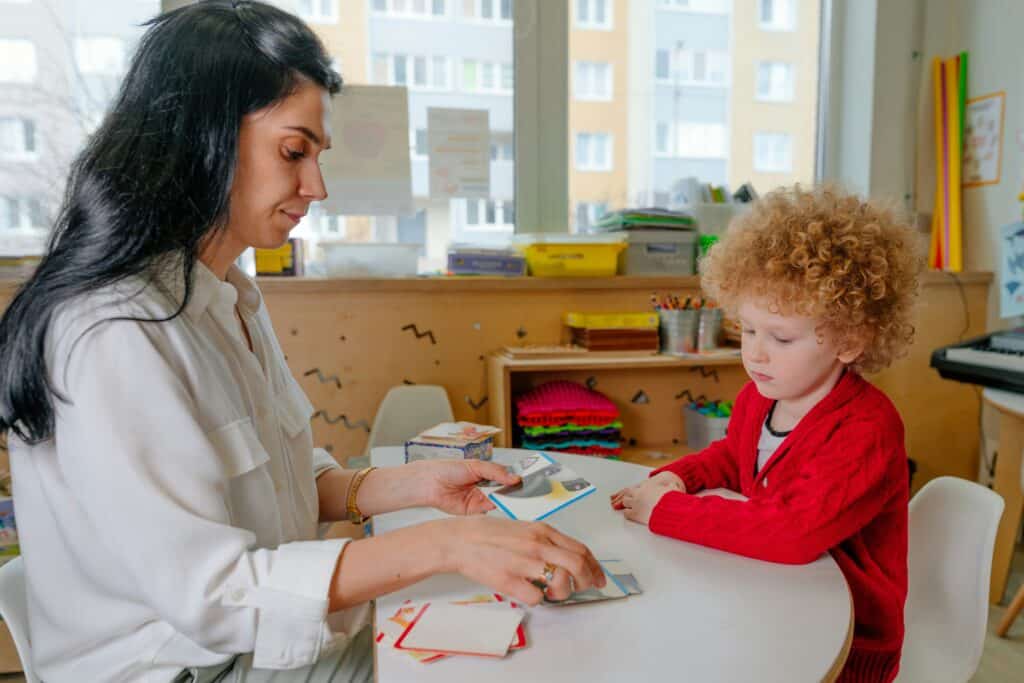




Comprehensive Child & Teen Therapy
Emotional & Behavioral Support – As a professional child therapist, we provide therapy for kids and teens struggling emotionally with anger, mood changes, big feelings, and social challenges. We help young people build healthy coping skills and emotional insight.
Anxiety & School Stress – Our sessions provide tools that reduce fear, boost confidence, and support emotional resilience. As a trusted child therapist for emotional and behavioral issues, we give children strategies they can use at home, in school, and in social settings.
Focus & Behavioral Challenges – Difficulties with concentration or impulsive behavior can affect academic and family life. Working with an experienced child therapist & psychologist in Cook County ensures your child receives tailored behavioral help that reinforces self-control.
Life Transitions & Loss (Grief Counseling) – Divorce, relocation, or losing a loved one can deeply impact a child. Our grief counseling is part of our pediatric behavioral health services, and we provide a safe environment for processing difficult emotions and rebuilding stability.


Why Cook County Families Trust Us
Licensed Pediatric Experts – Every service is guided by a highly trained child therapist who specializes in child development, emotional regulation, and behavioral therapy. We offer child & teen therapy tailored to each stage of growth.
Deep Knowledge of Child Development – As a dedicated child psychologist in Cook County, we understand how children learn, communicate, and process emotions. This allows us to deliver therapy that is always age-appropriate, engaging, and effective.
Safe & Supportive Environment – Children thrive when they feel heard and accepted. We create a calm, patient-centered atmosphere designed to reduce anxiety and support emotional expression. Parents appreciate the guidance and clarity we offer throughout treatment.
Pediatric Behavioral Health – For comprehensive care, we collaborate with parents, schools, pediatricians, and partnered specialists. This holistic approach makes us a trusted resource for pediatric behavioral health in the community.
Our Partnered Child Psychologist Network
In addition to our in-house care, we collaborate with a network of partnered providers to expand access to specialized services. When families need advanced assessment, psychiatric consultation, or unique therapeutic approaches, we coordinate care directly with our partnered professionals. This partnership enhances our ability to offer mental health support for children and families beyond our provided services.
To learn more about these trusted collaborations, visit our partners page!

Our Process

Consultation & Parent Intake
We begin with a detailed conversation about your child’s emotional concerns, behavioral patterns, and therapeutic goals.

Child-Focused Therapy
Using CBT, play therapy, mindfulness, and skill-building activities, sessions are shaped around your child’s developmental stage and needs.

Family Review & Support
We keep parents involved with progress updates and offer strategies to reinforce growth at home, strengthening the therapeutic impact.
See Why Our Clients Love Our Services & Quality
Posted on Google
 ChristianM Fitness376 days ago
Trustindex verifies that the original source of the review is Google.
The team at Eden is great, they helped us with the IEP and 504 at school. We got the resources we needed.Posted on Google Tej Sanghvi378 days agoEden Behavioral Health helped me with my parenting. I had no idea what i was doing and needed school help, help at home, and things are finally turning around. The team at Eden is great, they actually listen to you.Posted on Google
 saadia osman467 days agoI’ve seen Hidayat work and his whole team is very much invested in every kiddo’s outcome!Posted on Google
 Sanjana472 days agoTheir communication and strategies to help our son have been amazing. Plus they have a Spanish speaking child therapist which helps us even more now, Hidayat and Brittney are amazing and have helped us turn our home around for the better.Posted on Google
 Courtney Rozek527 days agoHidayat is great! He connects so well with kids and provides helpful support to parents by giving them important information about child development, diagnosis and tools/strategies they can use at home. He provides a calm, comfortable and child friendly therapy environment that allows kids to feel safe to express themselves.Posted on Google
 Nade ALI533 days agoEden behavioral health helped us with everything from school, to home, to working with teachers. Theyre amazing and i cant recommend them enough!!!Posted on Google
 aryan sharma542 days agoMy daughter was struggling in school. The school wouldn’t stop calling! We finally got help, and she’s finally staying in the class room, paying attention and getting her homework done. Hidayat is so good!Posted on Google
 Akshey Ramakrishnan548 days agoHidayat is the best child therapist we found near downers grove. Hidayat helped us with our daughter’s autism, he answered all of our questions and he follows up all parent meetings with an email so we have notes on what to be doing. 100% recommend!Posted on Google
 Huy Le577 days agoI needed a child therapist near me immediately, and Eden Behavioral Health had an immediate opening. They saw me right away, and have been an immense help with both my son and daughter doing child therapy there!Posted on Google
 Simi Sharma581 days agoHidayat is a great child therapist! I was looking for someone in Hinsdale for my kiddo to help with anxiety, and he warmed up to Hidayat so quick and easy. His whole office is super welcoming for kids and families. Definitely recommend other parents looking for child therapy for their childrenPosted on Google
 Prathmika Jha599 days agoWe went to Eden Behavioral Health for our son’s autism. There was so much happening at school and at home, and Hidayat helped us figure everything out. He was so good to our son, and things are improving. I highly recommend his service. Hidayat worked with us and built a wonderful relationship with our son.Posted on Google
 Jessica Stapleton601 days agoWe needed parent training for my daughter who was just diagnosed with OCD. Hidayat helped us with everything! We can finally get through a day without big meltdowns with our kiddo!Posted on Google
 Molly Westfall602 days agoHidayat is a skilled, knowledgeable and compassionate clinician. Children feel comfortable and understood in his presence, and parents get the tools they need from his expertise. His approach provides parents with straightforward strategies and skills so they feel well-equipped to respond to their children. He also teaches children new skills using a playful and fun approach, which makes them eager to come to sessions. Highly recommend!Posted on Google
 Jamilla Galura603 days agoMy son has been seeing Hidayat for a few months because of school challenges. He helped us in getting a special education plan at the school and worked with us to improve behavior at home. So very grateful for him! :)Posted on Google
 Vikas Nethi604 days agoMy 8 year old was seeing Hidayat to help us with her autism. He was an amazing help. He told us exactly what to do, and even sent us emails after our parent appointments. It was the first time I felt confident with someone who was helping us! Definitely recommend him to everyone.Posted on Google
 Aqib Amir (AA)605 days agoWe had a wonderful experience at Eden Behavioral Health, and I can’t recommend them enough! My daughter received exceptional care from Mr. Shah, who was incredibly diligent and attentive in addressing her mental health needs. His compassionate approach and thorough treatment plan made a significant difference in her well-being. If you’re looking for a child behavioral clinic that offers expert therapy and genuinely cares about your child’s mental health, Eden Behavioral Health is the place to go. Highly recommend Mr. Shah for anyone seeking adolescent therapy services!Posted on Google
 Daniyal Aamir609 days agoMy son started seeing Hidayat for his ADHD. He was having challenges in school. Hidayat helped us put together strategies for home, and even spoke with the teachers to help our son in the classroom.

Frequently Asked Questions
We specialize in a wide variety of emotional, behavioral and sensory challenges. These include: ADHD, autism, sensory processing issues, anxiety, behavior issues, emotional regulation, and social skills. Our tailored strategies empower children and families to thrive.
Yes! We are in-network with Blue Cross Blue Shield, Aetna, United Healthcare, Cigna, and some Medicaid plans.
We use evidence-based methods such as CBT, DBT, and Play Based Therapy. We adapt all our treatment modalities to be developmentally appropriate, and make sure to address emotional and behavioral challenges. We also use specialized treatments such as Exposure and Response Prevention (ERP), Accommodation Removal, Parent Training, and Executive Function Development. We provide a wide variety of treatment approaches to suit every family's need.
Yes! We collaborate with parents and schools to create effective IEPs, 504 Plans, and behavior strategies to improve academic success.
We support children's teens and young adults, ages 2 to 22, helping them overcome challenges and build critical skills for success.
Yes, we provide telehealth sessions for parent appointments. Telehealth sessions for children may be offered depending on age and treatment goals.
Choose Your Location to Get Started
Contact Us
Ready to support your child’s emotional health, confidence, and long-term well-being with a trusted child therapist and psychologist in Hinsdale, IL? Contact us today to schedule an appointment!
Schedule a Consultation
Contact Us
Ready to support your child’s emotional health, confidence, and long-term well-being with a trusted child therapist and psychologist in Palatine, IL? Contact us today to schedule an appointment!